Source Offshore Inflatable Life Belt for Maritime, Rescue, and Aquatic Use
Compare 30 offshore inflatable life belt options from verified Chinese manufacturers. These products feature EPE or Oxford materials, IACS approval, and manual or automatic inflation modes suitable for adult aquatic rescue and professional equipment applications; compare the available evidence and request quotations based on your requirements.
Key considerations
Products List


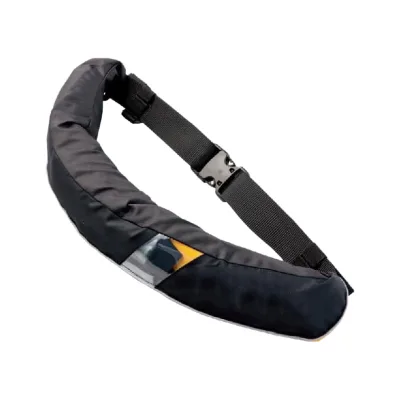
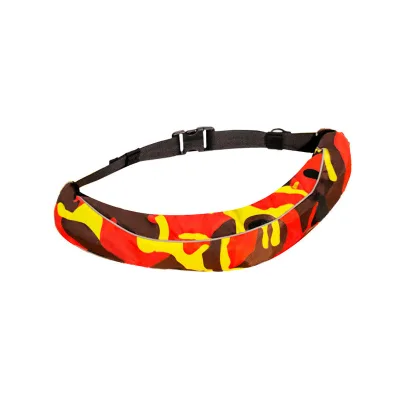


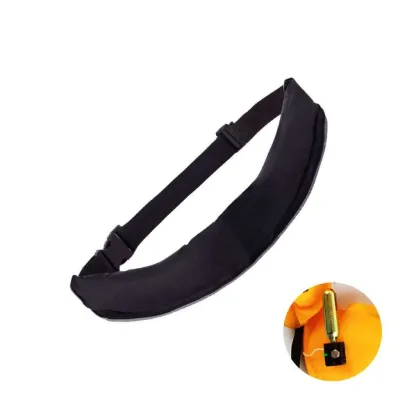
Comprehensive Sourcing Guide
Offshore Inflatable Life Belt Sourcing Guide
Procuring offshore inflatable life belts requires a clear understanding of the specific operational environment where the equipment will be deployed. These devices are primarily designed for aquatic applications, serving as critical safety gear for adult personnel working in marine rescue scenarios or on offshore vessels. Buyers must distinguish between standard life belts and specialized marine inflatable models, as the latter often integrate automatic or manual inflation mechanisms to ensure rapid deployment in emergency situations.
The market offers a variety of configurations, including models with EPE or foam buoyancy materials and fabrics ranging from polyester to TPU and Oxford. When evaluating listings, procurement teams should verify that the product type aligns with the specific needs of the crew, noting that some units are classified as life jackets while others are strictly life belts. Understanding these distinctions is essential for selecting equipment that meets the physical demands of the job while ensuring the wearer remains buoyant and visible in rough sea conditions.
Product Scope and Observed Listing Signals
Buyers should expect to encounter a diverse range of product attributes when searching for offshore inflatable life belts, with observed listings featuring colors such as orange, red, black, blue, and green to maximize visibility. The physical specifications often vary significantly, with sizes ranging from specific small dimensions to various custom options, and weights typically kept under 0.6kg to ensure the gear does not impede movement. It is crucial to recognize that while some products are described as soft, others may have different hardness levels depending on the inflation state and material composition.
Commercial signals in the market indicate that customization is widely available, allowing buyers to request specific logos, packing configurations, or cylinder capacities such as 24g or 33g. The observed minimum order quantities fluctuate between single units and bulk orders of 500 pieces, reflecting the flexibility of suppliers to accommodate both trial purchases and large-scale fleet equipping. Procurement teams must carefully review the listed packing details, which can range from standard export packing to custom requests, to ensure the logistics of delivery match the project timeline and storage requirements.
Technical Specifications to Verify
Technical verification must begin with the inflation system, as offshore life belts are available in both manual and automatic modes with inflation times often cited as less than five seconds. Buyers need to confirm the cylinder capacity and the specific inflation mechanism to ensure the device activates reliably under stress. The buoyancy performance is another critical metric, with many products claiming a capacity of more than 110 Newtons, which is a standard threshold for adult flotation devices in marine environments.
Material durability and construction quality are equally vital, with fabrics typically made from TPU, polyester, or Oxford cloth to withstand harsh saltwater exposure. The buoyancy material, often EPE, must be inspected for integrity, and buyers should verify claims regarding buoyancy loss, such as the standard that loss should be less than 5% over 24 hours. Additionally, the presence of reflective elements and waterproof ratings should be confirmed to ensure the device remains functional and visible during night operations or in heavy rain, providing a reliable safety margin for the wearer.
Compliance and Safety Documentation
Safety compliance is non-negotiable for offshore equipment, and buyers must demand documentation proving adherence to recognized maritime standards such as IACS approval. The supply chain often references certifications like GL/EC, CCS, ISO, and CE, which indicate that the manufacturer has undergone rigorous testing for structural integrity and performance. Procurement teams should verify that the specific model number, whether listed as 110N Marine Inflatable Life Belt or MM, corresponds to a certified batch rather than a generic unverified product.
Documentation review should also extend to the bearing capacity and weight limits, ensuring the device supports the intended user weight, which is often specified as greater than 10kg in technical data. Buyers must ensure that the safety data sheets and test reports explicitly state the product's suitability for adult use and its performance in water rescue scenarios. Without these verified documents, the risk of equipment failure increases significantly, potentially leading to severe safety incidents in offshore operations where rescue options are limited.
Cost Drivers and Commercial Terms
The final cost of offshore inflatable life belts is influenced by several factors, including the complexity of the inflation system, the quality of the fabric materials, and the level of customization required. Products featuring automatic inflation mechanisms or specialized cylinder capacities often command higher prices than manual alternatives. Additionally, the inclusion of custom logo printing and specific packing requests can add to the unit cost, requiring buyers to balance budget constraints with the need for brand visibility and logistical efficiency.
Commercial terms regarding minimum order quantities and lead times vary widely across the market, with some suppliers offering low MOQs of 10 pieces while others require orders of 200 pieces or more. Buyers should negotiate based on the total volume needed for their fleet, as larger orders often yield better unit pricing and more favorable shipping terms. It is also essential to clarify the gross weight and packaging dimensions, as these affect freight costs, especially when shipping from origins like Jiangsu, China, to international destinations.
Supplier Qualification and Quality Control
Selecting a qualified supplier involves verifying their production capabilities and their history of delivering certified marine safety equipment. Buyers should prioritize manufacturers located in established industrial hubs like Jiangsu, China, who have a track record of producing equipment that meets international standards. The supplier's ability to provide consistent quality control is paramount, as the life-saving function of the belt depends on the precision of the assembly and the reliability of the inflation components.
Quality control processes should include regular testing of the buoyancy loss rates and the structural integrity of the fabric and cylinder seals. Procurement teams should request evidence of the supplier's internal quality checks, such as random sampling protocols and final inspection reports before shipment. Ensuring that the supplier adheres to the specified standards and provides transparent communication about their manufacturing process helps mitigate the risk of receiving substandard products that could fail during a critical emergency.
Long-Term Procurement Checks
Establishing a long-term procurement strategy requires regular audits of the supplier's ability to maintain consistent product quality and certification status over time. Buyers should implement a schedule for periodic re-verification of the equipment's compliance with updated maritime safety regulations, as standards can evolve and require new certifications. This proactive approach ensures that the fleet remains equipped with gear that meets the latest safety requirements, protecting the organization from liability and ensuring crew safety.
Maintenance and replacement cycles must also be factored into the long-term plan, as inflatable life belts have a finite lifespan and require regular inspection to ensure they remain operational. Buyers should establish a protocol for tracking the age and usage history of each unit, replacing those that show signs of wear or have exceeded their recommended service life. By maintaining a robust inventory management system and fostering a strong relationship with a reliable supplier, organizations can ensure a continuous supply of high-quality safety equipment for their offshore operations.
FAQs
What certifications do offshore inflatable life belts have?
These products hold GL/EC, CCS, ISO, and CE certifications. They also meet IACS approved standards for marine safety. Buyers can verify these credentials to ensure compliance with international maritime regulations before placing orders.
Which materials are used for the buoyancy and fabric?
The buoyancy material is EPE while the fabric options include Polyester, TPU, and Oxford. These materials ensure durability and waterproof performance. The combination provides a lightweight and convenient design suitable for aquatic rescue operations.
Can I customize the logo and packaging for this life belt?
Yes, customization is available including custom logo printing and specific packing requests. Standard export packing is used, but buyers can request tailored solutions. This flexibility allows companies to brand the equipment for their specific operational needs.
What is the minimum order quantity for these life belts?
The minimum order quantity ranges from 10 to 500 pieces depending on the specific model. Some listings show an MOQ of 10 pieces while others require 200 pieces. Buyers should confirm the exact requirement with the supplier before proceeding.
How fast does the automatic inflation system activate?
The inflation time is less than 5 seconds for automatic models. These belts feature manual and automatic inflation modes with cylinder capacities of 24 or 33 grams. This rapid response ensures immediate buoyancy in emergency water rescue situations.
Where are these marine life belts manufactured and shipped from?
Products originate from Jiangsu, China, with some listings simply stating China as the origin. They are packed for export and suitable for adult use. Buyers can expect reliable shipping from these established manufacturing regions in the aquatic equipment sector.
What is the buoyancy capacity and weight of the belt?
The buoyancy exceeds 110 Newtons with a weight under 0.6 kilograms. The bearing capacity is greater than 10 kilograms ensuring safety for adults. This lightweight design offers high buoyancy while maintaining comfort and ease of movement during use.